Classic Aioli Sauce Recipe
Highlighted under: World Cuisine Studio
I absolutely love making aioli sauce at home. There's something incredibly satisfying about blending simple ingredients into this rich, garlicky condiment. With just a few pantry staples, I can create an authentic flavor that elevates any dish. I remember the first time I prepared it; the aroma of fresh garlic wafting through my kitchen made me feel like a culinary genius. This recipe is a must-try for anyone looking to add a gourmet touch to their meals, whether it's for a sandwich, a dip, or a dressing.
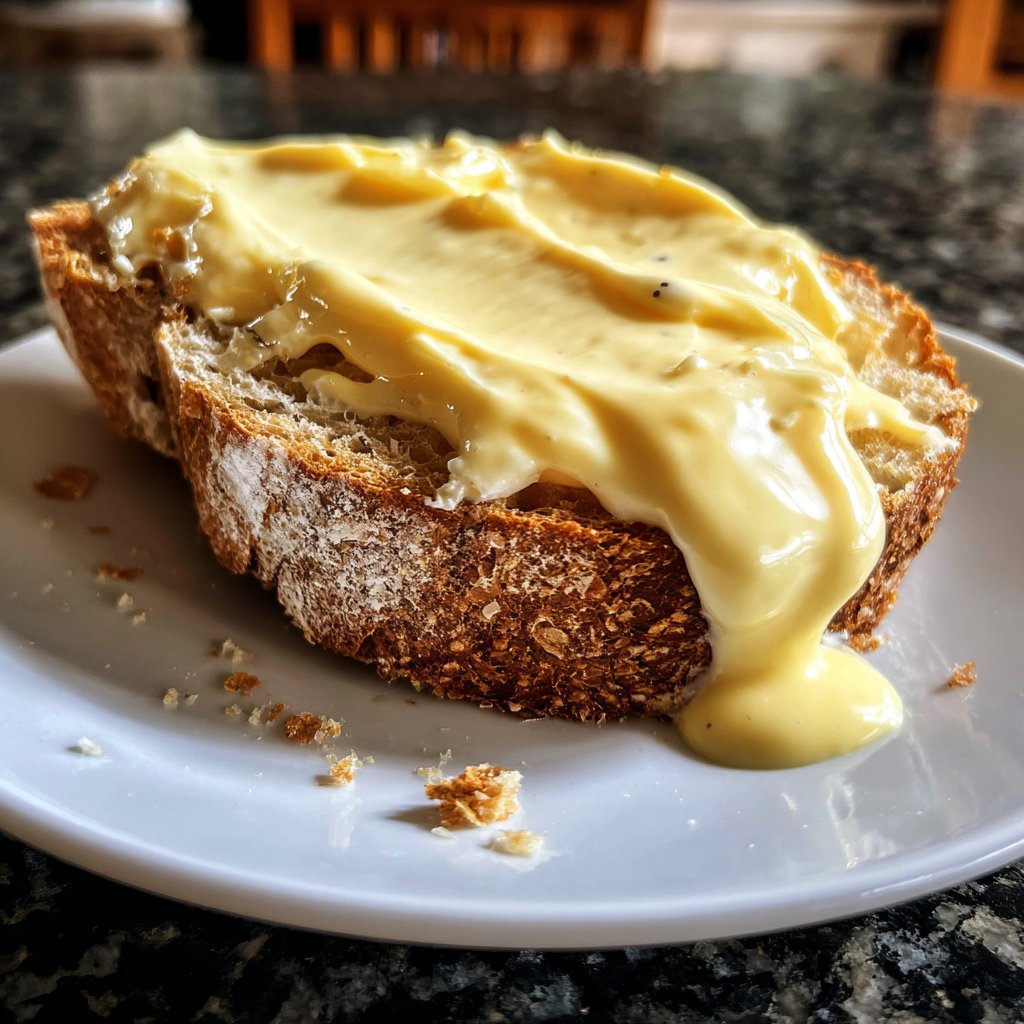
When I first experimented with making classic aioli sauce, I was amazed at how a few basic ingredients could produce such a deliciously complex flavor. The secret lies in using fresh garlic, which provides that bold taste, and blending it with quality olive oil for a velvety texture. What’s even more intriguing is the emulsification process; it’s fascinating to watch the ingredients come together into a smooth sauce.
As I worked on perfecting this recipe, I discovered that adjusting the amount of lemon juice not only enhances the flavor but also helps in balancing the richness. Serving it alongside grilled vegetables or as a dip for crisp bread has made it a household favorite, and I can’t wait for you to try it!
Why You'll Love This Recipe
- Creamy, garlicky goodness that enhances any dish
- Simple ingredients make it easy to whip up at home
- Perfect for dipping, spreading, or drizzling over meals
Understanding the Core Ingredients
The beauty of aioli lies in its simplicity, made possible by just a few key ingredients. The large egg yolk is not only a thickening agent but also provides a luxurious mouthfeel, enriching the texture of the sauce. This isn't just any yolk; using a fresh, high-quality egg can elevate your aioli, showcasing its vibrant color and flavor. Be sure to bring your eggs to room temperature beforehand for optimal emulsification.
Garlic is another essential element that brings pungency and warmth to the aioli. For best results, I recommend using fresh garlic, as opposed to pre-minced or powdered forms, which can lack the robust flavor. When mincing, aim for a fine consistency to ensure the garlic is evenly distributed throughout the sauce, allowing its aromatic qualities to shine. This careful attention can make a significant difference in the final taste.
Mastering Emulsification Techniques
Emulsification is the magic that transforms olive oil into a creamy aioli, and it requires patience and technique. Begin by whisking the egg yolk vigorously before slowly drizzling in the olive oil. I often find that a stable base, such as a bowl with a rubber mat underneath, helps keep everything steady. If you notice your mixture isn't thickening, it might be due to adding the oil too quickly—reduce your pouring speed and keep whisking continuously to achieve that desired thick consistency.
Visual cues are crucial: look for a glossy, silky texture that clings to the whisk. If the sauce appears too thin, you can fix it by whisking in a little additional egg yolk or using a clean bowl to introduce a bit of the emulsion into the new yolk before slowly incorporating the rest. This troubleshooting tip can save an aioli that seems destined to fail.
Ingredients
Gather these ingredients to make your own aioli sauce:
Aioli Ingredients
- 1 large egg yolk
- 1 tablespoon Dijon mustard
- 1 large garlic clove, minced
- 1 cup olive oil
- 1-2 tablespoons lemon juice
- Salt to taste
With these ingredients on hand, you're ready to create your classic aioli sauce!
Instructions
Follow these simple steps to make your aioli sauce:
Combine the Base Ingredients
In a mixing bowl, whisk together the egg yolk, Dijon mustard, and minced garlic until well blended.
Slowly Add Olive Oil
While continuously whisking, slowly drizzle in the olive oil to emulsify the mixture. This step is crucial for achieving that creamy texture.
Adjust Flavor
Once you have a thick sauce, add lemon juice and salt to taste. Adjust accordingly for your desired flavor profile.
Your homemade aioli is now ready! Serve it fresh for the best taste.
Pro Tips
- For a spicy kick, consider adding a pinch of cayenne pepper or a few drops of hot sauce to the aioli during mixing.
Storage Tips for Your Aioli
Aioli may be enjoyed fresh, but it can also be stored to use later. Place your finished aioli in an airtight container and refrigerate it immediately. Properly stored, it should last for about 3 to 5 days. However, be mindful of the garlic's potency; the flavor may intensify as it sits. Always give it a good stir before use, as some separation may occur, but this doesn't affect the taste.
If you find yourself with leftover aioli or want to make a batch in advance, consider freezing it. Portion the aioli into ice cube trays and freeze until solid, then transfer the cubes to a resealable bag. This way, you can thaw a small amount as needed, but keep in mind that the texture may change slightly upon thawing, making it a better fit for dips or spreads rather than a perfect drizzle.
Flavor Variations to Try
While the classic aioli is undeniably delicious, there are endless variations to explore. For a smoky twist, consider adding a bit of smoked paprika or chipotle powder to the mixture. This addition not only enhances the flavor but also adds a beautiful color. You could also experiment with herbs like fresh basil or cilantro blended into the aioli for a fresh, zesty note that pairs beautifully with vegetables and grilled proteins.
If you're looking for a creamier variation, why not incorporate some Greek yogurt or sour cream into the mix? This not only adds richness but also a slight tanginess that can complement a range of dishes. Just remember to adjust the amount of lemon juice accordingly, as the yogurt will bring its own acidity.
Questions About Recipes
→ Can I store aioli sauce? How long does it last?
Yes, you can store aioli in an airtight container in the refrigerator for up to one week.
→ Is it safe to eat raw eggs in aioli?
Using fresh, high-quality eggs reduces the risk, but you can also use pasteurized eggs if you're concerned.
→ What can I use aioli with?
Aioli works wonderfully with vegetables, seafood, sandwiches, and as a dipping sauce for fries.
→ Can I make aioli without an egg?
Yes, you can create a vegan version using aquafaba, the liquid from canned chickpeas, instead of egg yolk.
Classic Aioli Sauce Recipe
Created by: Morgan Reeves
Recipe Type: World Cuisine Studio
Skill Level: Intermediate
Final Quantity: 1 cup
What You'll Need
Aioli Ingredients
- 1 large egg yolk
- 1 tablespoon Dijon mustard
- 1 large garlic clove, minced
- 1 cup olive oil
- 1-2 tablespoons lemon juice
- Salt to taste
How-To Steps
In a mixing bowl, whisk together the egg yolk, Dijon mustard, and minced garlic until well blended.
While continuously whisking, slowly drizzle in the olive oil to emulsify the mixture. This step is crucial for achieving that creamy texture.
Once you have a thick sauce, add lemon juice and salt to taste. Adjust accordingly for your desired flavor profile.
Extra Tips
- For a spicy kick, consider adding a pinch of cayenne pepper or a few drops of hot sauce to the aioli during mixing.
Nutritional Breakdown (Per Serving)
- Calories: 160 kcal
- Total Fat: 18g
- Saturated Fat: 2.5g
- Cholesterol: 62mg
- Sodium: 85mg
- Total Carbohydrates: 1g
- Dietary Fiber: 0g
- Sugars: 0g
- Protein: 2g